
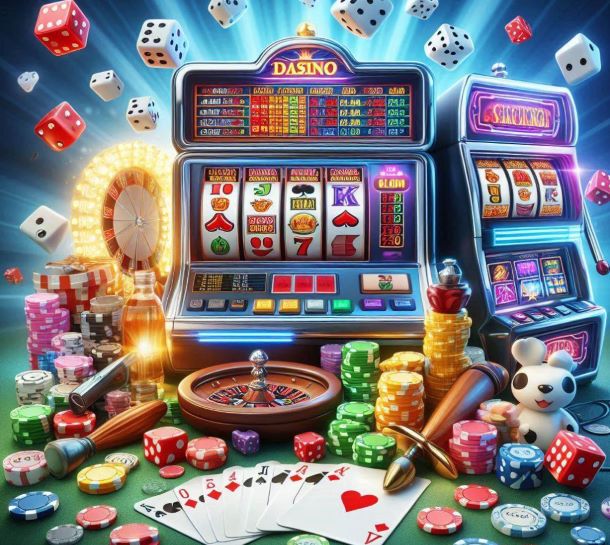
When you think of a casino, there is a certain mood that immediately comes to mind: the chiming of slot machines, the light flicker of jackpots, the faint background murmur of excitement. Sound and design, whether online or onsite, do not just fill the space—they create the emotional tone of every decision. For players entering modern digital platforms, the journey feels more deliberate than ever. The user interface has learned to evoke feelings in the same way a soundtrack might deepen a film scene, guiding everything from curiosity to suspense, sometimes even reassurance.
One of the best examples can be experienced when trying a casino with no account platform. The moment you enter, without registration friction, the audio cues and interface collaborate to lower mental barriers. A subtle “click” acknowledges progress, while the design quietly assures you that you’re still in control. These moments are not accidental. They are sculpted with intention—to shape emotion as much as to offer function.
Sound Impact On Casino Experience
Sound in a casino can be bright or heavy, sharp or velvet smooth, and that tiny difference changes how long we play or how safe we feel while doing it. Designers rarely talk openly about it, but it’s a language of its own. The low tones signify stability and trust, while higher pitches hint at excitement or the possible edge of reward. It’s remarkable how a few decibels can tilt a player’s emotional balance.
I remember testing a slot game once that used soft percussion sounds instead of the usual electronic reels. I wasn’t expecting much, but it felt oddly cozy, almost domestic. The melody, gently repetitive, made me linger longer. That’s emotional sound design—not in your face, but quietly persistent, inviting another spin.
- Subtle audio confirmations reinforce user confidence on payment or withdrawal screens.
- Layered background ambience sustains engagement over longer playing sessions.
- Dynamic pitch cues adapt to player wins or near-miss outcomes.
UX As A Conductor Of Emotion
While sound builds the atmosphere, user experience design acts as its conductor. The balance between intuitive use and emotional push often defines success. UX professionals in the casino industry know that first impressions rely not only on what players see but how they feel when their cursor moves or their finger taps. Small gestures—animations, delayed feedback, responsive lighting—speak quietly to our senses.
If you hover over a spin button and see it glow, that’s design empathy at work. It nudges without demanding. However, the real art lies in restraint. Not everything should dazzle. A mature design trusts the player’s rhythm, letting excitement and calm alternate naturally. Sometimes neutrality is the strongest user signal of all.
Interplay Between Sound And UX
When these two aspects merge seamlessly, the casino experience becomes powerfully emotional. Even minor sound lags or abrupt UX shifts break immersion instantly, and once that emotional connection fades, engagement dips. I’ve seen a test environment where two versions of the same slot game differed only by button tone pitch and background hue. Strangely, players rated the “warmer” version 27% more enjoyable, even though rewards were equal.
The synergy between click sounds, pace transitions, and motion gradients determines the psychological feel of the game. Too much sharpness feels aggressive; too much softness feels dull. The trick is rhythm, a sense of unfolding experience that mimics human breath.
Hover here to see a tooltip—it’s subtle, but interaction like this mirrors what players experience in responsive casino interfaces.
- Sync all sensory cues: visuals, interaction, and audio feedback.
- Maintain tempo consistency to sustain immersion during sessions.
- Respect silence: allow short audio breaks to avoid cognitive fatigue.
An old-school designer once told me, « Every spin should sound like a heartbeat you slightly expect to skip. » I liked that phrasing. It recognizes that design, at its best, doesn’t just present; it participates, aligning with player physiology.
Player Trust And Emotional Safety
Beyond excitement, there’s another emotion casinos seek—trust. Transparency in how the system behaves, how quickly deposits appear, and how clearly rules are displayed builds emotional safety. Nothing ruins a casino experience faster than uncertainty disguised as mystery.
- Transparent notifications after transactions strengthen user comfort.
- Consistent sound cues across different games form a recognizable identity.
- Quiet tone palettes during payment steps signal reliability instead of risk.
Interestingly, emotional safety does not mean blandness. Contrasts matter. A tense silence before a bonus round, punctuated by one rising tone, amplifies anticipation precisely because calm existed first. UX designers can borrow this principle, designing quiet moments in an otherwise vivid interface.
Evocative Futures Of Online Casinos
I suspect that in the coming years, the difference between a memorable and forgettable casino experience will hinge on emotional rhythm far more than odds or graphics. As virtual and augmented environments evolve, developers will treat sound and UX as inseparable layers of the same emotion engine. Imagine spatial sound cues that react to your play style, or dynamic UIs that subtly dim hues when your focus wanes, coaxing renewed attention.
There will also be advances in ethical personalization. Instead of pushing endless spins, sound and interface might guide players to pause, breathe, reflect. Emotion then transforms from a lure into a form of care. Some studios already test this approach, using soft fade-outs at session end, much like a theater’s curtain call reminding you that the night’s story has concluded.
- Adaptive sound environments responding to player sentiment data.
- UX ecosystems that communicate empathy through timing, not only design.
In a sense, tomorrow’s casino will not just imitate excitement. It will compose it, frame it, and gently release it—an emotional score with players as both audience and participant. Perhaps that’s the magic that keeps people returning: not merely the chance of winning, but the feeling of being understood by the environment they’re in.